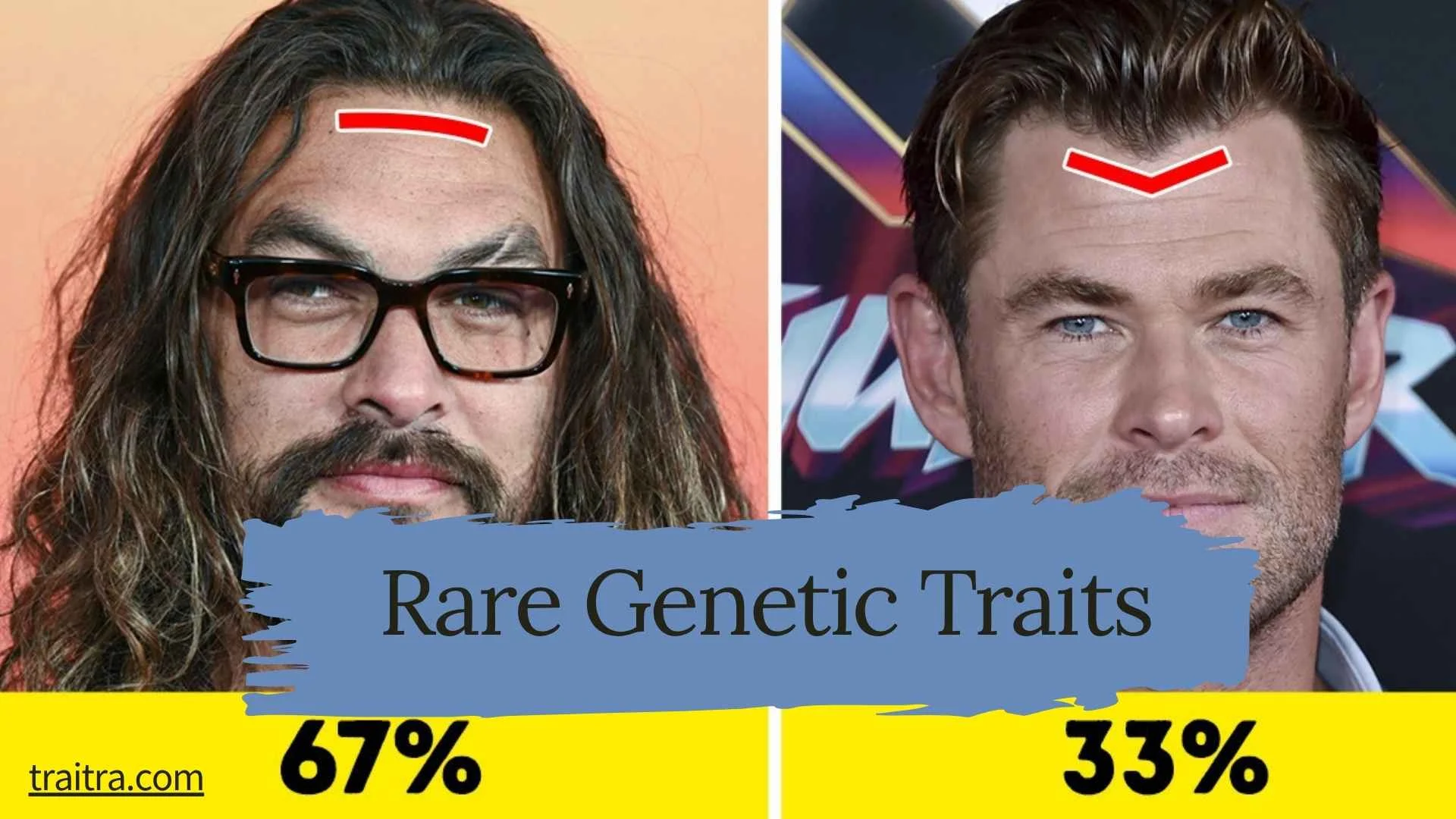
Rare genetic traits are unusual physical features, biological characteristics, or inherited differences caused by variations in a person’s DNA. Examples include naturally occurring red hair, extra fingers or toes, unusually flexible joints, different-colored eyes, and the ability to taste certain bitter compounds. Some traits are inherited from parents, while others arise from new genetic changes or involve several genes working together.
Understanding rare genetic traits helps explain why people differ in appearance, how genes influence the human body, and why some inherited characteristics are harmless while others may be linked to health conditions. Not every unusual feature is genetic, and a trait being rare does not automatically make it a medical problem.
Quick Answer: What Are Rare Genetic Traits?
Rare genetic traits are uncommon characteristics influenced by variations in DNA. They may affect physical appearance, sensory abilities, metabolism, or other biological functions. Some are harmless differences, such as naturally occurring variations in eye color, while others can be associated with inherited medical conditions.
A genetic trait may be rare because the responsible gene variant is uncommon, because the variant follows a particular inheritance pattern, or because environmental and developmental factors influence whether it appears. A genuinely rare trait can also occur in people with no known family history when a new genetic variant develops.
The important distinction is that rare describes how uncommon a characteristic is, not whether it is good, bad, healthy, or dangerous.
Rare Genetic Traits at a Glance
| Category | Example | What influences it? |
| Hair and pigmentation | Naturally red hair | Variants in pigmentation-related genes |
| Eye appearance | Complete heterochromia | Differences in iris pigmentation |
| Fingers and toes | Polydactyly | Genetic and developmental factors |
| Joint movement | Hypermobility | Connective tissue and multiple biological factors |
| Taste perception | Sensitivity to PTC bitterness | Variants in taste receptor genes |
| Ear anatomy | Attached or free earlobes | Multiple genetic and developmental influences |
| Metabolism | Lactose persistence | Variants affecting lactase production |
| Blood biology | Rare blood group phenotypes | Variations in red blood cell antigens |
| Skin pigmentation | Piebaldism | Certain variants affecting pigment-producing cells |
| Bone and connective tissue | Unusually dense bones in some conditions | Variants affecting bone development and remodeling |
These examples are not equally rare. Some are uncommon in particular populations, while others are relatively widespread. Their frequency can also vary between populations because of ancestry, inheritance patterns, and historical changes in gene frequencies.
What Makes a Genetic Trait Rare?
A genetic trait is considered rare when it occurs infrequently in a defined population. However, there is no single worldwide cutoff that applies to every unusual human characteristic.
In medical genetics, a rare disease may be defined using a specific prevalence threshold established by a health authority. That definition should not automatically be applied to every physical feature or inherited ability.
Three factors help explain why a trait may be uncommon:
- Low variant frequency: The DNA variant associated with the trait is uncommon in the population.
- Inheritance requirements: A person may need to inherit particular variants from both parents for a recessive trait to appear.
- Biological complexity: Several genes, developmental processes, and environmental influences may need to align for a characteristic to develop.
For example, a recessive genetic condition may remain uncommon even when some people carry the relevant variant. Carriers often do not show the condition themselves, but two carriers may have a child who inherits both copies.
A further complication is that the same variant can produce different outcomes in different people. Geneticists describe this variation through concepts such as penetrance and variable expressivity.
25 Rare Genetic Traits Found in Humans
Rare genetic traits can influence pigmentation, limb development, sensory perception, blood chemistry, and the structure of connective tissues. The examples below include unusual inherited characteristics and rare genetic conditions, with a clear distinction between harmless variation and traits that may require medical attention.
1. Piebaldism: Naturally White Patches of Hair and Skin
Piebaldism | Consultant360
Piebaldism is an inherited pigmentation condition that causes areas of skin and hair to lack their usual pigment. A white patch of hair near the front hairline is a common feature.
The condition can involve variants in the KIT or SNAI2 genes, which help regulate the development and movement of pigment-producing cells called melanocytes. It is usually present at birth and often remains relatively stable.
MedlinePlus+1
Why it is distinctive: The sharply defined white patches differ from many other pigmentation changes.
Health considerations: Piebaldism itself generally does not affect overall health, but unpigmented skin can burn more easily. Sun protection is important.
2. Heterochromia: Two Different Eye Colors
Heterochromia occurs when the eyes have different colors or when one iris contains distinct color regions. Complete heterochromia means the two irises differ in color; sectoral heterochromia involves different colors within one iris.
Genetic factors can influence iris pigmentation, but heterochromia is not always inherited. It may arise during development or occur after an eye injury, inflammation, or certain medications.
Why it is distinctive: The visible difference can be striking, yet it does not necessarily indicate a disease.
Health considerations: Heterochromia present since childhood is often harmless. A new color change, especially with pain, redness, or vision changes, warrants an eye examination.
3. Polydactyly: Extra Fingers or Toes
Polydactyly is a congenital trait in which a person has an extra finger or toe. The additional digit may appear beside the little finger, near the thumb, or alongside a toe.
Changes in genes involved in limb development can contribute to polydactyly. It may run in families, occur as an isolated feature, or form part of a broader genetic condition.
MedlinePlus
Why it is distinctive: The extra digit may be a small soft-tissue structure or a more fully developed digit containing bones and joints.
Health considerations: Assessment focuses on movement, sensation, circulation, and the anatomy of the additional digit. Treatment, if needed, depends on its structure and function.
4. Natural Red Hair
Closeup woman face skin photography | Premium Photo – rawpixel
Natural red hair is a pigmentation trait influenced strongly by variations in the MC1R gene. These variations affect how pigment-producing cells make eumelanin, which is associated with brown and black pigmentation, and pheomelanin, which contributes to red and yellow tones.
Certain combinations of MC1R variants are associated with red hair. The trait is more common in some populations than others, so it should not be treated as equally rare worldwide.
Why it is distinctive: Red hair reflects differences in pigment production rather than a separate type of hair.
Health considerations: Some people with red hair and lighter skin have increased sensitivity to ultraviolet radiation. Appropriate sunscreen, protective clothing, and skin checks can help reduce sun damage.
5. Congenital Generalized Hypertrichosis: Unusually Extensive Hair Growth
Hypertrichosis (Werewolf Syndrome): What It Is & Treatment
Hypertrichosis describes hair growth that is excessive for a person’s age, sex, or body region. Certain congenital forms are present from birth and may be associated with rare genetic changes.
Not all hypertrichosis is inherited. Some forms develop because of medications, underlying conditions, or other factors.
Why it is distinctive: The distribution and amount of hair can differ substantially from typical patterns of body hair.
Health considerations: Depending on the cause, medical assessment may include a review of medications, family history, and other physical features. Hair growth alone does not establish a specific genetic diagnosis.
6. PTC Taste Sensitivity: Detecting a Bitter Compound
Conoce a los ‘supersaboreadores’, gente a la que casi todo les sabe amargo
Some people detect a strong bitter taste from a compound called phenylthiocarbamide, or PTC, while others experience little or no bitterness. Variation in the TAS2R38 taste receptor gene is a major factor in this difference.
PTC tasting is a classic example of how genetic variation can influence sensory perception. However, the trait is not a simple, perfect yes-or-no indicator of a person’s entire taste system.
Why it is distinctive: People can experience the same substance differently because their taste receptors respond differently.
Health considerations: This variation is generally harmless. It does not, by itself, determine whether someone will enjoy bitter vegetables, coffee, or other foods.
7. Piebald-Like White Forelock in Certain Genetic Syndromes
Birthmarks: Causes, types, and treatments
A white forelock is a patch of white hair near the front of the scalp. Although it can occur in piebaldism, it may also appear in other genetic conditions, including some forms of Waardenburg syndrome.
The distinction matters because the same visible trait can have different underlying causes. Some syndromes involve additional features affecting hearing, eye pigmentation, or facial development.
Why it is distinctive: A single outward feature can provide a clue to a wider biological process without proving a diagnosis.
Health considerations: A clinician may consider family history, hearing, pigmentation patterns, and other findings when deciding whether further evaluation is appropriate.
8. Congenital Aniridia: Partial or Near-Complete Absence of the Iris
Аниридия: Причины, диагностика и методы коррекции
Aniridia is a rare eye disorder in which the iris is absent or underdeveloped. Many cases are associated with variants in the PAX6 gene, which plays a central role in eye development.
Although the name suggests that the iris is entirely missing, the amount of remaining iris tissue can vary.
Why it is distinctive: The condition affects the structure of the eye, not simply its color.
Health considerations: Aniridia can be associated with light sensitivity, reduced vision, glaucoma, and other eye complications. Regular specialist care is important.
9. Ectrodactyly: Split-Hand or Split-Foot Differences
Ectrodactyly: Split Hand/Split Foot Deformation
Ectrodactyly is a congenital limb difference in which the central fingers or toes may be missing or underdeveloped, producing a cleft-like appearance in the hand or foot.
Different genetic changes can cause this feature, and some cases are part of inherited syndromes. The exact pattern varies between individuals.
Why it is distinctive: It reflects differences in how the limbs develop before birth.
Health considerations: Support depends on the person’s anatomy and goals. Occupational therapy, adaptive equipment, reconstructive procedures, or no intervention may be appropriate in different circumstances.
10. Congenital Mirror Movements
Investigations into the Association between Cervicomedullary Neuroschisis and Mirror Movements in Patients with Klippel-Feil Syndrome | American Journal of Neuroradiology
Mirror movements occur when an intended movement on one side of the body is accompanied by a similar involuntary movement on the other side. For example, moving the fingers of one hand may trigger a corresponding movement in the opposite hand.
Persistent congenital mirror movements can sometimes be associated with genetic differences affecting the development or organization of motor pathways.
Why it is distinctive: The feature reveals how the nervous system coordinates movement between the two sides of the body.
Health considerations: Mild mirror movements may have limited effects, while more pronounced movements can interfere with tasks requiring independent hand control. A neurological assessment can help establish the cause.
11. Albinism: Reduced or Absent Pigment Production

Researchers examine eye conditions related to albinism
Albinism refers to a group of genetic conditions that affect melanin production. Depending on the type, a person may have lighter-than-typical skin, hair, and eyes, along with differences in visual development.
Several genes can cause different forms of albinism. In many forms of oculocutaneous albinism, inheritance is autosomal recessive, meaning a person generally inherits a disease-associated variant in both copies of the relevant gene.
Why it is distinctive: Albinism involves more than appearance; pigment also plays important roles in protecting skin and supporting normal visual development.
Health considerations: Sun protection and appropriate eye care are important. The severity of visual effects and pigmentation differences varies by type.
12. Congenital Insensitivity to Pain
9.2 Somatosensation in the Central Nervous System – Introduction to Behavioral Neuroscience | OpenStax
Congenital insensitivity to pain describes rare genetic conditions in which a person cannot perceive pain normally from birth or early life. Some forms are associated with genes involved in the function of sensory nerves, including SCN9A.
Pain is a protective signal. Without it, a person may not notice burns, fractures, joint injuries, or wounds.
Why it is distinctive: A reduced ability to feel pain can appear advantageous but removes an important warning system.
Health considerations: This condition requires specialist care and careful monitoring for injuries. Regular skin, dental, joint, and general health checks may be needed.
13. Congenital Insensitivity to Pain With Anhidrosis
Congenital insensitivity to pain with anhidrosis, often abbreviated CIPA, is a specific rare condition associated with impaired pain sensation and reduced or absent sweating.
Many cases involve variants in the NTRK1 gene, which is important for the development and function of certain sensory and autonomic nerve cells.
Why it is distinctive: The combination of reduced pain sensation and impaired sweating creates risks beyond unnoticed injuries.
Health considerations: People with CIPA may be unable to regulate body temperature normally through sweating. Overheating can become dangerous, making temperature management and specialist guidance essential.
14. Familial Hypercholesterolemia
Familial hypercholesterolemia is an inherited condition that causes high levels of low-density lipoprotein cholesterol, often called LDL cholesterol. Variants in genes such as LDLR, APOB, and PCSK9 can interfere with the body’s ability to remove LDL cholesterol from the blood.
Unlike visible traits, this genetic characteristic may not be obvious from appearance.
Why it is distinctive: A person can feel healthy while carrying an inherited risk of premature cardiovascular disease.
Health considerations: Cholesterol testing, family-history assessment, and medical treatment can reduce risk. A family pattern of very high cholesterol or early heart disease can be an important reason to seek evaluation.
15. Ehlers-Danlos Syndromes: Differences in Connective Tissue
Is Ehlers-Danlos Syndrome really so rare—or is it misdiagnosed? | National Geographic
Ehlers-Danlos syndromes are a group of connective tissue disorders that can affect the skin, joints, blood vessels, and other tissues. Features differ by subtype and may include joint hypermobility, unusually stretchy skin, fragile tissues, or easy bruising.
Many subtypes have established genetic causes, although the genetics of hypermobile Ehlers-Danlos syndrome remain incompletely understood.
Why it is distinctive: Joint flexibility alone is not enough to diagnose an Ehlers-Danlos syndrome.
Health considerations: Some people experience pain, joint instability, or tissue complications. Assessment depends on the pattern of symptoms, examination findings, family history, and subtype-specific criteria.
16. Marfan Syndrome: Unusually Tall Stature and Long Limbs in Some People
Klinefelter Syndrome – Male Reproductive System | UWorld Medical Library
Marfan syndrome is a genetic connective tissue disorder commonly associated with variants in the FBN1 gene. Some affected individuals have long limbs, long fingers, or a tall, slender build, but these features are not sufficient to diagnose the condition.
The syndrome can also affect the eyes, skeleton, and aorta, the major artery carrying blood from the heart.
Why it is distinctive: The most important consequences may involve internal structures rather than visible body proportions.
Health considerations: Monitoring of the aorta, eyes, and skeleton can be essential. A person should not assume they have Marfan syndrome simply because they are tall or have long fingers.
17. Achondroplasia: A Genetic Difference in Bone Growth
La señalización excesiva de FGFR3 en la acondroplasia altera el recambio de condrocitos de la zona en reposo mediante la vía CREB · Clear Sky Science
clearskyscience.com
Achondroplasia is a genetic condition that affects bone growth, particularly in the long bones of the arms and legs. It is most commonly associated with a specific activating variant in the FGFR3 gene.
The condition often causes disproportionate short stature, while intelligence is usually typical.
Why it is distinctive: A change in a growth-signaling pathway influences how bones develop.
Health considerations: Some people require monitoring for spinal, breathing, hearing, or neurological complications. Care is tailored to the individual’s needs.
18. Familial Adenomatous Polyposis
Familial adenomatous polyposis, or FAP, is an inherited condition associated with pathogenic variants in the APC gene. It can cause numerous growths called adenomatous polyps to develop in the colon and rectum.
The polyps may begin during adolescence or early adulthood, although timing varies.
Why it is distinctive: The genetic trait can have major health consequences even when the person initially has no symptoms.
Health considerations: People with a known family history or confirmed pathogenic variant need specialist guidance about surveillance and risk reduction. Early identification can be lifesaving.
19. Erythrocytosis Associated With High-Affinity Hemoglobin Variants
Some inherited hemoglobin variants bind oxygen more tightly than usual. In certain circumstances, this can lead the body to produce more red blood cells, a condition called erythrocytosis.
The effect depends on the specific hemoglobin variant and the body’s response to oxygen delivery.
Why it is distinctive: A subtle change in a protein can influence how the body regulates red blood cell production.
Health considerations: Elevated red blood cell counts have several possible causes, so testing and clinical interpretation are needed before attributing them to an inherited hemoglobin variant.
20. Rare Blood Group Phenotypes
Most people are familiar with the ABO and Rh blood groups, but blood cells carry many additional antigens. Uncommon combinations of these antigens can produce rare blood group phenotypes.
One example is the Bombay phenotype, in which the usual H antigen is absent or not expressed in the expected way. It is associated with variants affecting the FUT1 gene.
Why it is distinctive: Someone may appear to have an unusual blood type during testing and require specialized compatibility assessment.
Health considerations: Blood transfusion compatibility is critical. People with the Bombay phenotype generally cannot safely receive ordinary group O red blood cells because those cells carry the H antigen.
21. Lactose Persistence Into Adulthood
What Foods Do Lactose Intolerant People Avoid? | Smartblood
Lactose persistence is the continued production of the enzyme lactase after childhood. Lactase helps the small intestine digest lactose, the sugar found in milk.
In many populations, adult lactase production is associated with regulatory variants near the LCT gene, including variants in a region of the MCM6 gene. The frequency of these variants differs substantially among populations.
Why it is distinctive: The trait illustrates how inherited variation can become common in populations with long histories of dairying.
Health considerations: Lactose persistence is not globally rare. It is included here as an example of a genetically influenced digestive trait whose frequency varies by ancestry and population.
22. Familial Dysautonomia
Familial dysautonomia is a rare inherited disorder affecting the autonomic and sensory nervous systems. It is commonly associated with variants in the ELP1 gene and follows an autosomal recessive inheritance pattern.
Symptoms may involve blood pressure regulation, temperature control, swallowing, tear production, and the ability to perceive certain sensations.
Why it is distinctive: The condition affects automatic body functions that most people do not consciously control.
Health considerations: Management often involves multiple specialists because the condition can affect several organ systems. Genetic counseling may help families understand inheritance and reproductive risks.
23. Congenital Stationary Night Blindness
Congenital stationary night blindness is a group of inherited conditions that affect vision in low-light settings. People may struggle to see in dim environments from childhood, and some forms are associated with differences in how retinal cells transmit visual signals.
The condition is genetically diverse, with different genes linked to different inheritance patterns and clinical features.
Why it is distinctive: The difficulty often concerns low-light vision rather than a progressive loss of sight.
Health considerations: An eye specialist can assess night vision, retinal function, and related features. The word stationary generally indicates that the visual problem does not progressively worsen in the way some retinal disorders do.
24. Congenital Muscular Dystrophies
Congenital muscular dystrophies are a group of genetic disorders that affect muscle development or function, often becoming apparent at birth or during early childhood.
Depending on the type, the underlying variants may affect structural muscle proteins, proteins involved in cell signaling, or molecules that connect muscle cells to surrounding tissues.
Why it is distinctive: Similar early symptoms can result from different genetic causes, so identifying the subtype can be important.
Health considerations: Weakness, movement difficulties, and sometimes breathing, heart, or brain involvement may occur. Treatment focuses on the specific subtype and the person’s needs.
25. Congenital Long QT Syndrome
Congenital long QT syndrome is an inherited heart rhythm condition that affects the electrical recovery phase of the heartbeat. It is associated with variants in several genes involved in the movement of ions through heart cells, including KCNQ1 and KCNH2.
A person may have no obvious outward physical difference, yet the condition can increase the risk of dangerous heart rhythms.
Why it is distinctive: It demonstrates that genetic traits do not have to be visible to be biologically significant.
Health considerations: Diagnosis may involve an electrocardiogram, clinical history, family history, and genetic testing when appropriate. A cardiologist can advise on medication, activity, and other precautions.
How Do Rare Genetic Traits Develop?
Rare genetic traits develop through differences in DNA, changes in gene regulation, and the complex processes that guide human growth and development. The specific mechanism depends on the trait.
The National Human Genome Research Institute explains that genetic variation contributes to differences among people, but most DNA variants do not have a noticeable effect on health or appearance.
Genome.gov+1
1. Inherited Gene Variants
A person receives genetic material from both biological parents. If a parent carries a variant associated with a particular trait, that variant may be passed to a child.
For example, some forms of piebaldism follow an autosomal dominant inheritance pattern. A child may inherit the associated variant from a parent who has the condition, although a new variant can also occur.
2. New Genetic Variants
A genetic variant can arise for the first time in an egg cell, sperm cell, or early embryo. Such a variant is often called a de novo variant.
This helps explain why some people develop a genetic condition even though neither parent has the same condition or a known family history of it.
A new variant is not automatically harmful. Its effect depends on where it occurs, how it changes biological function, and other factors.
3. Recessive Inheritance
Some genetic conditions appear when a person inherits a relevant variant in both copies of a gene.
For example, if both parents carry a disease-associated variant for the same autosomal recessive condition, each pregnancy generally has:
- A 25% chance of inheriting both variants and being affected.
- A 50% chance of inheriting one variant and being a carrier.
- A 25% chance of inheriting neither of those variants.
These probabilities apply to each pregnancy independently, assuming the same two parental variants and the standard autosomal recessive model.
4. Dominant Inheritance
For a typical autosomal dominant condition, one disease-associated copy of a gene can be sufficient to cause the trait or condition.
If a parent has one relevant variant and one unaffected copy of the gene, each child typically has a 50% chance of inheriting that variant.
However, inheritance does not always predict the severity of a condition. Some genetic variants show incomplete penetrance, meaning not everyone who carries the variant develops the expected feature. Others show variable expressivity, meaning the feature differs in severity among people with the same variant.
Genome.gov+2
5. Several Genes Working Together
Many human characteristics are polygenic, meaning they are influenced by multiple genes.
Hair color, height, pigmentation, and many aspects of body shape involve complex biological pathways rather than one simple genetic switch. Environmental factors can also influence how these characteristics develop.
This is one reason a trait may appear unusual without following a straightforward dominant or recessive pattern.
Dominant vs. Recessive Genetic Traits
| Feature | Autosomal dominant | Autosomal recessive |
| Typical inheritance requirement | One relevant altered copy | Two relevant altered copies |
| Family history | May appear in successive generations | May appear among siblings while parents are unaffected carriers |
| Carrier status | Often not described separately in the same way | A person with one relevant copy is often a carrier |
| Example | Many cases of piebaldism | Many forms of albinism |
| Risk for a child | Depends on the parent’s genotype and other factors | Depends on both parents’ genotypes |
These are simplified inheritance patterns. Some traits involve sex chromosomes, mitochondrial DNA, several genes, or more complex mechanisms.
Rare Genetic Traits vs. Rare Genetic Diseases
A rare genetic trait is not necessarily a disease. The distinction depends on what the characteristic does and whether it causes medical problems.
| Comparison | Rare genetic trait | Rare genetic disease |
| Main meaning | An uncommon characteristic influenced by DNA | A medical condition with low prevalence |
| Health effects | May have none | May cause symptoms, complications, or disability |
| Examples | Unusual iris pigmentation, certain inherited hair patterns | Familial dysautonomia, some congenital muscular dystrophies |
| Treatment | Often unnecessary | Depends on the condition |
| Medical monitoring | Needed only when appropriate | May be important for diagnosis and management |
The terms overlap because a genetic disease can also produce unusual physical traits. However, a distinctive appearance alone does not establish that a person has a disorder.
Rare disease definitions also vary by jurisdiction. For example, European frameworks commonly use a threshold of no more than one affected person in 2,000, while the United States uses a legal definition based on the total number of affected people. These are definitions of rare diseases, not universal thresholds for rare physical characteristics.
Orpha.net+1
Are Rare Genetic Traits Always Inherited From Parents?
No. A rare genetic trait may be inherited, arise through a new genetic variant, or result from several interacting genetic and developmental factors.
There are four common possibilities:
- Inherited from one parent: The child receives a relevant variant from a parent who also has the trait.
- Inherited from two carrier parents: The child receives a relevant variant from each parent, as can happen with recessive conditions.
- Newly developed: A variant arises in an egg, sperm, or early embryo.
- Complex origin: Several genes and non-genetic factors contribute to the final characteristic.
A family tree can offer useful clues, but it cannot always establish the cause. Some relatives may carry a variant without displaying the associated trait, and a condition can appear for the first time in a family.
Can You Have a Rare Genetic Trait Without Knowing It?
Yes. Some inherited differences have no visible signs and do not cause symptoms. Others only become apparent under particular conditions or after specialized testing.
Consider three examples:
- A person may carry a recessive disease-associated variant without having the disease.
- Someone may have an inherited blood group phenotype that is only discovered during blood typing.
- A person may carry a variant associated with an increased health risk despite feeling completely healthy.
This is why appearance alone is an unreliable way to identify genetic variation. Family history, clinical assessment, laboratory testing, and genetic analysis may be needed to establish what a particular variant means.
How Can You Find Out Whether a Trait Is Genetic?
If you want to understand an unusual physical characteristic or a possible inherited condition, follow a practical sequence rather than assuming the cause.
A simple decision guide
Step 1: Has the trait been present since birth or early childhood?
If yes, congenital or inherited explanations may be worth considering. If it developed later, acquired causes may also need investigation.
Step 2: Does the same feature occur in relatives?
A family pattern can support a genetic explanation, but the absence of such a pattern does not rule one out.
Step 3: Is the trait changing or causing symptoms?
New, progressive, painful, or function-limiting changes deserve clinical assessment.
Step 4: Would testing change your care or decisions?
A clinician or genetic counselor can help decide whether genetic testing is useful and explain its limits.
What genetic testing can tell you
Depending on the test, genetic analysis may identify a variant associated with a particular trait or condition. It may also reveal that a variant is uncertain or that no clear explanation has been found.
A genetic test does not automatically predict every aspect of a person’s future health. Results need to be interpreted in light of symptoms, family history, the specific test performed, and current scientific knowledge.
For a possible inherited disease, a healthcare professional may recommend a targeted genetic test, a multigene panel, chromosomal analysis, or another investigation. The right option depends on the clinical question.
15 Real-Life Examples of Rare or Unusual Genetic Variation
The following scenarios show how genetic traits can matter in ordinary life. They are illustrative examples, not individual medical case reports.
- Family pigmentation: A child is born with a white forelock similar to a parent’s. The family asks whether the shared feature is inherited.
- Different eye colors: An adult has two different-colored irises that have been stable since childhood. An eye professional confirms that no underlying problem is evident.
- An extra digit: A newborn has an extra finger. Clinicians assess its structure and check whether any other findings suggest a broader condition.
- Bitter taste perception: Two siblings taste a bitter compound differently because their taste receptor responses vary.
- Low-light vision: A child struggles to see in dim environments and receives an eye examination that identifies a possible inherited retinal disorder.
- Unusual cholesterol levels: A young adult has markedly elevated LDL cholesterol despite feeling well. Family history leads to an assessment for familial hypercholesterolemia.
- Joint flexibility: A gymnast has unusually flexible joints but no other symptoms. Flexibility alone is not treated as proof of a connective tissue disorder.
- Heat sensitivity: A child who does not sweat normally needs medical assessment because temperature regulation may be impaired.
- Rare blood compatibility: A patient is found to have an uncommon blood group phenotype during pre-transfusion testing, allowing the blood bank to arrange compatible blood.
- Inherited cancer risk: Several relatives have early-onset colorectal cancer. Genetic counseling helps determine whether testing for an inherited cancer syndrome is appropriate.
- Tall stature: A teenager has long limbs but no confirmed connective tissue condition. A clinician considers the complete examination rather than height alone.
- Family hearing differences: A white forelock and hearing loss in several relatives prompt evaluation for a possible inherited syndrome.
- Pain perception: A child repeatedly sustains unnoticed injuries. A specialist investigates whether an inherited sensory disorder may explain the pattern.
- Digestive tolerance: An adult continues digesting lactose efficiently after childhood because of inherited regulatory variation affecting lactase production.
- Unexpected genetic findings: A person undergoing testing for a suspected condition receives a result that requires further interpretation before any health conclusions can be made.
The central lesson across these examples is that an unusual feature becomes medically meaningful through its context, not simply because it is uncommon.
Common Misconceptions About Rare Genetic Traits
Rare genetic traits are often misunderstood because visible differences can seem mysterious. Understanding the science helps separate genuine genetic explanations from myths.
Myth 1: Every rare trait is caused by a single gene
Fact: Some traits follow a single-gene inheritance pattern, but many involve multiple genes, gene regulation, and environmental influences. A person’s hair color, height, and many other characteristics cannot be fully explained by one gene.
Myth 2: Rare genetic traits are always harmful
Fact: Many genetic variations have no harmful effects. Some affect only appearance or sensory perception, while others increase the risk of medical complications. The consequences depend on the specific trait.
Myth 3: If neither parent has a trait, a child cannot have it
Fact: New genetic variants can arise during reproduction or early development. Recessive traits can also appear in a child whose parents carry the relevant variants without showing the condition themselves.
Myth 4: Dominant genes are always stronger or better
Fact: Dominance describes how different versions of a gene influence an observable outcome. It does not mean that a variant is more beneficial, more common, or biologically superior.
Myth 5: Unusual eye colors always indicate a genetic disorder
Fact: Variations in eye pigmentation can be harmless. However, a new or unexplained change in eye color may need medical assessment, especially if it occurs alongside pain or vision problems.
Myth 6: A genetic test can predict everything about a person
Fact: Genetic testing can identify certain variants and help estimate some risks, but it cannot predict every aspect of health, personality, intelligence, or future development. Some results remain uncertain.
Myth 7: Rare traits are equally rare in every population
Fact: The frequency of genetic variants varies across populations. A characteristic that is uncommon in one group may be more frequent in another because of ancestry, population history, and inheritance patterns.
Myth 8: Every unusual physical feature is inherited
Fact: Some differences develop after birth because of illness, injury, aging, medication, or other environmental influences. A physical feature should not automatically be labeled genetic without supporting evidence.
Related Genetic Traits and Topics to Explore
These related topics help explain how inherited differences work and how they affect human biology.
El ADN como unidad de almacenamiento
Genetic Variations
Learn how DNA variants contribute to differences in appearance, biological function, and disease susceptibility.
Related terms: DNA mutations, alleles, genotype, phenotype.
Consumer Fact Sheets – Understanding Genetics – NCBI Bookshelf
Dominant and Recessive Traits
Explore how parents pass genetic variants to children and why some inherited characteristics appear only when two relevant variants are present.
Related terms: inheritance patterns, carriers, genetic counseling.
Heterokromi Nedir? Neden Olur? – Lens Optik
Rare Eye Colors and Heterochromia
Understand how iris pigmentation develops and why different-colored eyes are not always inherited or medically significant.
Related terms: melanin, iris pigmentation, eye color genetics.
Karotyping, Chromosomal Disorders & Epigenetics in Gene Expression | Study.com
Rare Genetic Diseases
Learn how certain genetic changes cause medical conditions and how diagnosis, screening, and treatment vary by condition.
Related terms: inherited disorders, genetic screening, genomics.
Frequently Asked Questions About Rare Genetic Traits
What is the rarest genetic trait in humans?
There is no universally accepted single rarest human genetic trait. Researchers continue to identify unusual variants and phenotypes, and rarity depends on how a trait is defined, measured, and studied. Some genetic variants have been documented in only a small number of people, but limited data can make their true frequency difficult to estimate.
What are five examples of rare genetic traits?
Five examples are piebaldism, congenital aniridia, polydactyly, congenital insensitivity to pain, and rare blood group phenotypes such as the Bombay phenotype. These examples differ in their causes and health effects, and not all are equally rare.
What are the rarest physical genetic traits?
Some uncommon physical characteristics include congenital pigmentation patterns associated with piebaldism, certain congenital limb differences, and specific forms of aniridia. However, there is no definitive ranking of the rarest physical traits because prevalence data are incomplete for many characteristics.
Can rare genetic traits skip a generation?
Yes. Recessive traits may appear to skip generations because unaffected parents can carry a relevant variant without expressing the associated condition. In other cases, incomplete penetrance or variable expression can make a family pattern less obvious.
Can two parents without a rare trait have a child who has it?
Yes. This can happen when both parents carry variants associated with a recessive condition, when a new genetic variant arises, or through other inheritance mechanisms. The probability depends on the specific genetic cause.
Are rare genetic traits more common in certain ethnic groups?
Some genetic variants are more frequent in particular populations because of ancestry, historical population size, migration, founder effects, and natural selection. However, ethnicity alone cannot reliably determine whether an individual has a particular variant.
What is a founder effect in genetics?
A founder effect occurs when a population begins with a relatively small group of ancestors whose genetic variants are passed to later generations. If one of those ancestors carries a rare variant, it may become more common among descendants than in the wider population.
Can rare genetic traits be beneficial?
Some genetic variants can provide benefits in specific environments or circumstances. Other variants are neutral, and some increase the risk of disease. A variant’s effect depends on the biological mechanism and the environment in which it occurs.
Do rare genetic traits affect intelligence or personality?
Some genetic conditions can affect brain development, learning, or behavior. However, most unusual physical characteristics do not automatically indicate anything about intelligence or personality. Complex psychological traits are influenced by many genetic and environmental factors.
Can rare genetic traits appear later in life?
Some inherited characteristics are present from birth, while other genetic effects become apparent during childhood, adolescence, or adulthood. An inherited predisposition may also remain unnoticed until a particular age or circumstance. A feature that develops later can have non-genetic causes as well.
How do scientists identify rare genetic traits?
Researchers combine clinical observations, family histories, population studies, laboratory investigations, and genetic sequencing. They compare findings with established databases and scientific literature to determine whether a variant is associated with a particular characteristic or condition.
Should I get genetic testing because I have an unusual physical feature?
Not necessarily. Many unusual features are harmless, and testing may not provide useful information. If the feature is associated with symptoms, a family history of a genetic condition, or other concerning findings, a healthcare professional or genetic counselor can help decide whether testing is appropriate.
Key Takeaways
- Rare genetic traits are uncommon characteristics influenced by DNA variation, inheritance, development, and sometimes environmental factors.
- Not all rare traits are diseases, and not all genetic diseases cause visible differences.
- Some traits follow dominant or recessive inheritance patterns, while others involve multiple genes.
- A trait can appear without a family history because of recessive inheritance or a new genetic variant.
- Unusual appearance alone cannot establish a genetic diagnosis.
- Genetic testing can help explain certain characteristics, but results require careful interpretation.
- Medical attention is important when a feature is accompanied by concerning symptoms or may be associated with a genetic condition.
Conclusion
Rare genetic traits reveal the remarkable range of variation within the human species. From unusual pigmentation and different-colored eyes to extra digits, rare blood group phenotypes, and inherited differences in how the body functions, these characteristics show how small changes in DNA can influence human biology.
Some traits are harmless and affect appearance alone. Others provide important clues about inherited health risks and may benefit from early diagnosis or medical monitoring. Understanding the difference requires looking beyond how unusual a feature appears and considering its genetic cause, inheritance pattern, and effects on health.
The most important principle is simple: a rare genetic trait is a biological difference, not automatically a disease or a sign of superiority. Accurate information, appropriate medical guidance, and respect for individual differences provide the best foundation for understanding human genetic diversity.

I am Theo Harrington, a writer interested in the fascinating differences that shape human personality and character. I explore positive traits, challenging behaviours, emotional qualities, and personal growth. My goal is to share useful knowledge that encourages readers to understand personality better and appreciate what makes people truly unique.
Books:
- Traits That Define Us
- The Modern Guide to Understanding Character